
Trump enforces steel tariffs impacting Brazil – Valor International
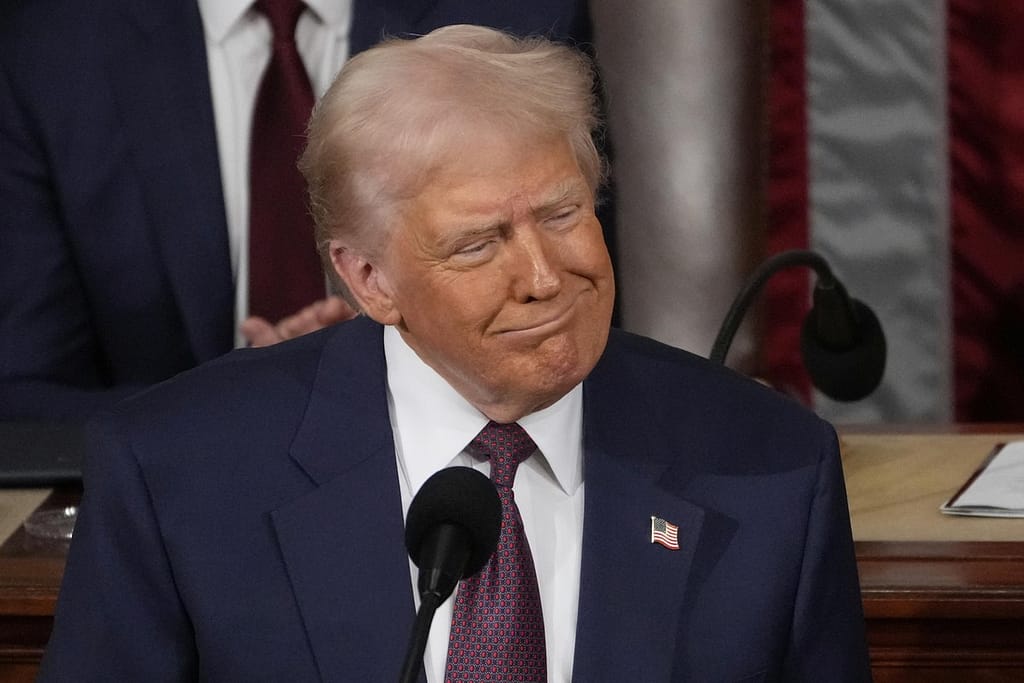
Amid another turbulent day in Washington, U.S. President Donald Trump confirmed on Tuesday (11) that a 25% tariff on all aluminum and steel imports to the country would take effect on Wednesday (12). While the surcharges apply to metal producers worldwide, the measure will have a direct impact on Brazil.
The U.S. is the destination for nearly 50% of Brazil’s steel exports. The Ministry of Development, Industry, Trade, and Services (MDIC) said on Tuesday (11) that it would not make any immediate statements on the matter.
Addressing the dispute with Canada—which escalated the previous day—White House spokesperson Kush Desai stated that the “25% tariff on steel and aluminum will take effect at midnight on March 12 for Canada and all other trade partners, with no exceptions or exemptions.”
The mention of exemptions was no coincidence. It confirmed that the new measure effectively revokes the 2018 agreement between Brazil and the U.S. regarding steel products.
The agreement, which had been in force until now, established export quotas (hard quotas) for the U.S. market, allowing 3.5 million tonnes of slabs and semi-finished products and 687,000 tonnes of rolled steel. This deal was negotiated after the U.S. initially imposed a 25% import tariff.
According to Instituto Aço Brasil, representing steelmakers operating in the country, Brazilian exports have fully complied with the conditions set under the hard quota system.
In 2024, the U.S. imported 5.6 million tonnes of steel slabs to meet domestic demand, as the country is not self-sufficient in this type of product. Of this volume, 3.4 million tonnes came from Brazil. Meanwhile, last year, the U.S. accounted for approximately 45% of Brazil’s iron and steel product exports.
For aluminum, a 10% tariff was already in place on shipments to the U.S. With the announcement, the rate rose to 25%, affecting the industry. Although Brazilian products represent less than 1% of total U.S. aluminum imports, the U.S. accounts for around 17% of Brazil’s aluminum exports, amounting to $267 million in 2024. In volume, the U.S. market absorbed 13.5% of all aluminum shipped abroad.
Regarding other trade partners subject to the new tariffs, Mr. Trump retracted his plan to double duties on Canadian steel and other metal imports to 50% just hours after first making the threat. The initial announcement had rattled investors by escalating North America’s trade war.
The reversal came after the Canadian province of Ontario suspended its own 25% tariff on energy exports to the U.S., which Mr. Trump had cited as one of the reasons for increasing duties on Canadian products.
The turnaround marked a swift shift in an unprecedented trade conflict between the world’s largest economy and one of its three biggest trading partners. It was also the second consecutive week that Mr. Trump softened his stance on tariffs against Canada.
In a statement released on Tuesday (11) night, hours after announcing the 50% tariffs on Canadian metals, the White House said the president had once again used the U.S. economy to deliver a victory for the American people.
Ontario Premier Doug Ford said earlier in the afternoon that he would lift the 25% surcharge following a “productive” conversation with U.S. Commerce Secretary Howard Lutnick.
Mr. Ford added that he planned to meet with Mr. Lutnick and U.S. Trade Representative (USTR) Jamieson Greer in Washington later this week to discuss trade tensions.
The premier’s decision came just one day after Ontario imposed the tariff and only hours after Trump’s announcement that the U.S. would raise duties to 50% on Canadian steel and aluminum.
“I have instructed my Secretary of Commerce to add an ADDITIONAL 25% tariff, to 50%, on all STEEL AND ALUMINUM COMING INTO THE UNITED STATES FROM CANADA, ONE OF THE HIGHEST TARIFFING NATIONS ANYWHERE IN THE WORLD,” Mr. Trump wrote on his Truth Social platform Tuesday (11) morning.
The latest trade dispute triggered another bout of volatility on Wall Street, briefly sending the S&P 500 into a sharp decline following a major sell-off the previous day. The index closed down 0.8%, though well above the session’s lows.
Shortly after taking office, Mr. Trump said he would impose 25% tariffs on Canada and Mexico. However, last week, he granted a one-month extension for products covered under the 2020 free trade agreement.
(With international press agencies.)
Courses cover technical skills, language training, and leadership development
FDC researchers suggest building a stronger foundation starting at the university level
Migrations decline amid higher prices and liquidity crisis among traders
‘We are at an advanced stage of negotiations and confident we will have an agreement by June 8,’ said the oil company’s Brazil chief
Country’s potential, however, depends on public policy, business climate, and financing tools
Brazil’s agricultural exports to Persian Gulf countries totaled $4.1bn from January to April
Choice is expected to surprise the market, which had viewed Luiz Masagão as the natural successor to Gilson Finkelsztain
Macro-fiscal Bulletin keeps 2026 GDP growth forecast at 2.3%
Eduardo Camargo, head of Motiva’s highway division, also said the group is considering bidding for the Régis Bittencourt concession
Joaquim Barbosa faces resistance inside Christian Democracy Party


