
Trump administration seeks to halt air pollution lawsuit against Musk’s xAI – Al Jazeera
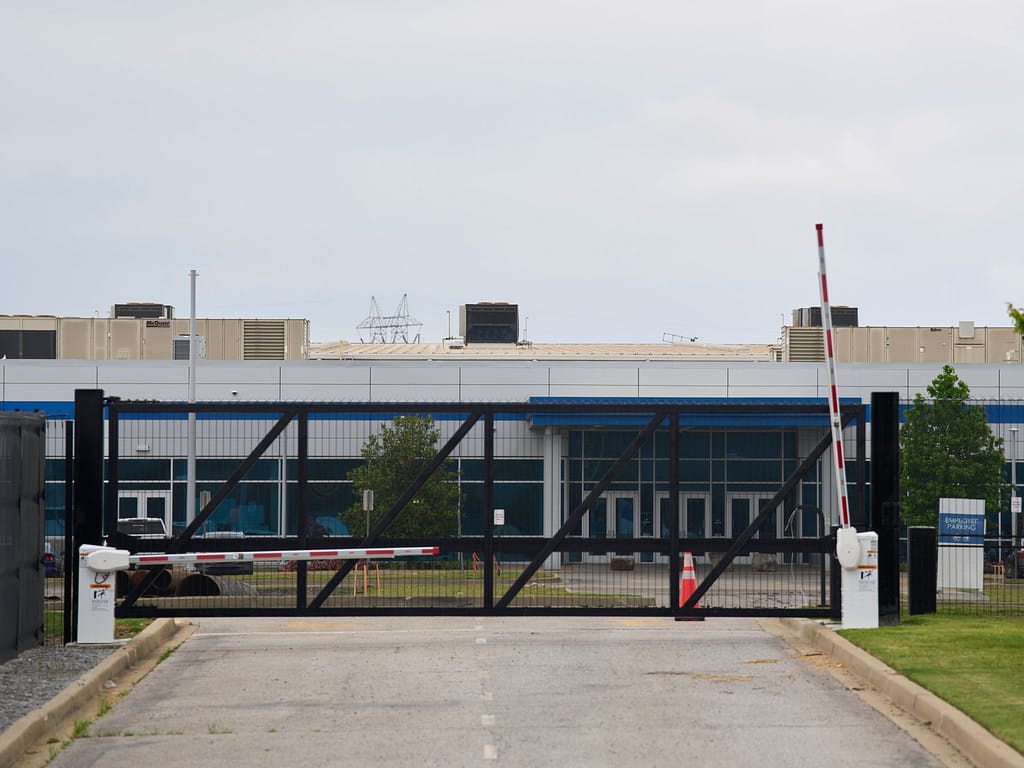
US Department of Justice claims NAACP lawsuit threatens ‘national, economic, and energy security’.
Save
Share
The United States government has intervened on the side of Elon Musk’s xAI in an environmental dispute over a $20bn data centre in Tennessee, claiming that efforts to block a related power project threaten national security.
In a court motion filed this week, the Department of Justice requested the dismissal of a lawsuit accusing the AI company of illegally operating dozens of natural gas turbines constructed to power the Colossus 2 data centre in Memphis, Tennessee.
The National Association for the Advancement of Colored People (NAACP), the largest civil rights group for African Americans, filed the lawsuit in April under the 1963 Clean Air Act, which allows citizens to seek injunctions and civil penalties against alleged polluters.
The NAACP alleges that xAI built the turbines, located in nearby Southaven, Mississippi, without obtaining the necessary permits, exposing hundreds of thousands of residents to harmful pollutants linked to “increases in asthma, respiratory diseases, heart problems, and certain cancers”.
The lawsuit notes that a “much larger share” of residents are Black compared with the US general population.
In its motion, filed in a US District Court on Monday, the Justice Department accused the NAACP of threatening “national, economic, and energy security by seeking to shut off the power supply for artificial intelligence innovation that supports the Department of War’s military operations”.
The motion also claims that the US Constitution vests the power to seek civil penalties “conclusively and preclusively” in the executive branch, including the “discretion to decide when such an enforcement action is unwarranted or inconsistent with federal enforcement priorities”.
Adam Gustafson, the top prosecutor at the Justice Department’s environment and natural resources division, said in a statement that the government would “not sit idly by while private organisations use environmental laws to undermine our national security”.
xAI, which is a subsidiary of Musk’s SpaceX, did not immediately respond to a request for comment.
Earthjustice, an advocacy group representing the NAACP in the lawsuit, condemned the intervention as a “massive power grab” by President Donald Trump’s administration.
“Trump’s Justice Department wants to shield Elon Musk’s data center company, xAI, from being held accountable for its illegal pollution – and it’s attempting to grab power from impacted communities, the courts, and Congress to do so,” Laura Thoms, director of enforcement for Earthjustice, said in a statement.
“There is no moral or legal precedent for this.”
Ann Carlson, a professor of environmental law at the University of California, Los Angeles School of Law, described the Trump administration’s argument as a “brazen attempt” to limit the enforcement of the Clean Air Act.
“It’s based on a radical notion that the executive branch can dismiss lawsuits brought by citizen groups that Congress has authorised based on no rationale at all,” Carlson told Al Jazeera, adding that the Justice Department’s position would let “polluters off the hook even for blatant violations of the law”.
“This motion is also just one of many ways in which the administration is undermining efforts to protect air quality,” Carlson said.
The Trump administration has cultivated close ties with Musk, the world’s richest man and first trillionaire, tapping the tech titan as a temporary cost-cutting tsar and using xAI’s flagship model Grok in the Pentagon’s drive to become an “AI-enabled fighting force”.
In testimony in support of Monday’s motion, Cameron Stanley, the Pentagon’s top official for AI, said that Grok had been used to launch more than 2,000 munitions at 2,000 targets within the first 96 hours of the US-Israel war on Iran.
If Grok cannot be deployed and upgraded due to “limitations in energy supply or limited reserve compute capability”, numerous tools used by the Pentagon would be “severely impacted”, Stanley said in a declaration made under oath.
Follow Al Jazeera English:


