
Lawsuit Aims to Halt Trump Giveaway of Wildlife Refuge to Appease Elon Musk's SpaceX – Common Dreams
To donate by check, phone, or other method, see our More Ways to Give page.
Daily news & progressive opinion—funded by the people, not the corporations—delivered straight to your inbox.
Daily news & progressive opinion—funded by the people, not the corporations—delivered straight to your inbox.
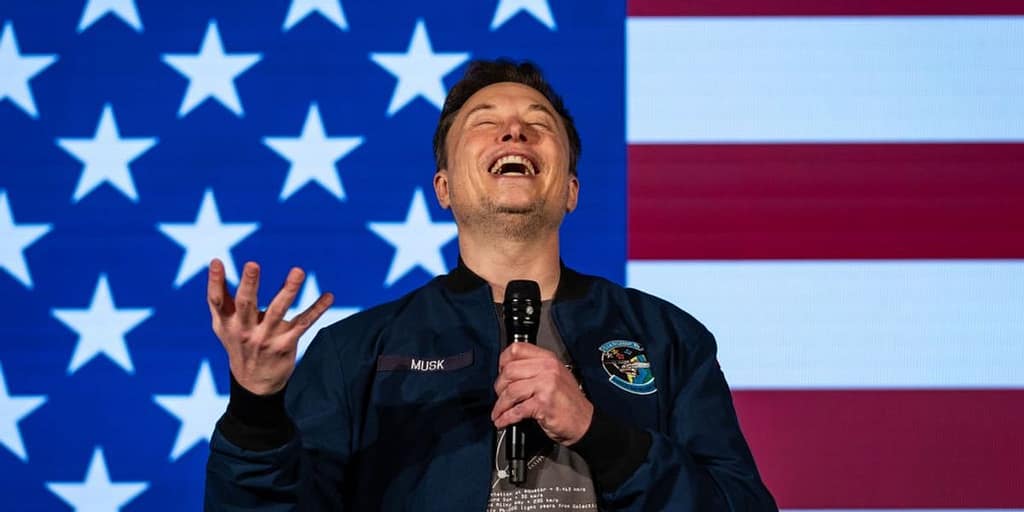
SpaceX and Tesla founder Elon Musk speaks during an America PAC town hall on October 26, 2024 in Lancaster, Pennsylvania.
"We’re not letting Trump and his political cronies lock the American people out of Texas’ cherished public lands just to give Elon Musk another payday.”
Several environmental organizations are suing the US Fish and Wildlife Service to stop the agency from handing over hundreds of acres of the Lower Rio Grande Valley National Wildlife Refuge to Elon Musk's company SpaceX.
The complaint—which was filed by the Center for Biological Diversity, Save RGV, the Carrizo/Comecrudo Nation of Texas, and South Texas Environmental Justice Network—alleges that the government is violating federal law that requires any transfers of wildlife refuge lands to private ownership to result in net conservation benefits.
Instead, the complaint says the proposed deal with SpaceX would lead to a loss of more 715 acres of wildlife refuge land in exchange for 683 acres of private land.
Bekah Hinojosa, co-founder of the South Texas Environmental Justice Network, expressed particular concerns about SpaceX building facilities on the land given that the company's rockets regularly cause environmental damage by exploding.
"Elon Musk has built his explosive SpaceX facility in the middle of a major wildlife corridor home to endangered and threatened species like ocelots and wetlands," said Hinojosa. "There was never supposed to be space rockets blowing up here."
Laiken Jordahl, national public lands advocate at the Center for Biological Diversity, accused President Donald Trump's administration of handing over vital public lands to "the world’s richest man, who could trash them while playing with his exploding rockets."
"We’re not letting Trump and his political cronies lock the American people out of Texas’ cherished public lands," added Jordahl, "just to give Elon Musk another payday.”
Mary Angela Branch, board member at Save RGV, said that SpaceX's presence in the area has already been an "unmitigated disaster" for the local environment, and she warned the land transfer plan would "permanently sever the very heart of the wildlife corridor established by Congress in 1979."
"This corridor, running along the Rio Grande… is prime wildlife habitat, and nothing gained in this ‘swap’ will be equal," Branch emphasized. "This will be a huge loss."
In addition to opposition from the plaintiffs in the lawsuit, the proposed transfer to SpaceX has drawn significant opposition from some local residents. According to a report published last week by the San Antonio Express-News, more than 3,400 letters have been submitted to the US Fish and Wildlife Service expressing opposition to the transfer.
Musk, who on Wednesday was accused by politicians in the UK of stoking racial hatred that led to violent pogroms in the city of Belfast, is aiming to become the world's first trillionaire ty making SpaceX a publicly traded company this month.
Several environmental organizations are suing the US Fish and Wildlife Service to stop the agency from handing over hundreds of acres of the Lower Rio Grande Valley National Wildlife Refuge to Elon Musk's company SpaceX.
The complaint—which was filed by the Center for Biological Diversity, Save RGV, the Carrizo/Comecrudo Nation of Texas, and South Texas Environmental Justice Network—alleges that the government is violating federal law that requires any transfers of wildlife refuge lands to private ownership to result in net conservation benefits.
Instead, the complaint says the proposed deal with SpaceX would lead to a loss of more 715 acres of wildlife refuge land in exchange for 683 acres of private land.
Bekah Hinojosa, co-founder of the South Texas Environmental Justice Network, expressed particular concerns about SpaceX building facilities on the land given that the company's rockets regularly cause environmental damage by exploding.
"Elon Musk has built his explosive SpaceX facility in the middle of a major wildlife corridor home to endangered and threatened species like ocelots and wetlands," said Hinojosa. "There was never supposed to be space rockets blowing up here."
Laiken Jordahl, national public lands advocate at the Center for Biological Diversity, accused President Donald Trump's administration of handing over vital public lands to "the world’s richest man, who could trash them while playing with his exploding rockets."
"We’re not letting Trump and his political cronies lock the American people out of Texas’ cherished public lands," added Jordahl, "just to give Elon Musk another payday.”
Mary Angela Branch, board member at Save RGV, said that SpaceX's presence in the area has already been an "unmitigated disaster" for the local environment, and she warned the land transfer plan would "permanently sever the very heart of the wildlife corridor established by Congress in 1979."
"This corridor, running along the Rio Grande… is prime wildlife habitat, and nothing gained in this ‘swap’ will be equal," Branch emphasized. "This will be a huge loss."
In addition to opposition from the plaintiffs in the lawsuit, the proposed transfer to SpaceX has drawn significant opposition from some local residents. According to a report published last week by the San Antonio Express-News, more than 3,400 letters have been submitted to the US Fish and Wildlife Service expressing opposition to the transfer.
Musk, who on Wednesday was accused by politicians in the UK of stoking racial hatred that led to violent pogroms in the city of Belfast, is aiming to become the world's first trillionaire ty making SpaceX a publicly traded company this month.
Several environmental organizations are suing the US Fish and Wildlife Service to stop the agency from handing over hundreds of acres of the Lower Rio Grande Valley National Wildlife Refuge to Elon Musk's company SpaceX.
The complaint—which was filed by the Center for Biological Diversity, Save RGV, the Carrizo/Comecrudo Nation of Texas, and South Texas Environmental Justice Network—alleges that the government is violating federal law that requires any transfers of wildlife refuge lands to private ownership to result in net conservation benefits.
Instead, the complaint says the proposed deal with SpaceX would lead to a loss of more 715 acres of wildlife refuge land in exchange for 683 acres of private land.
Bekah Hinojosa, co-founder of the South Texas Environmental Justice Network, expressed particular concerns about SpaceX building facilities on the land given that the company's rockets regularly cause environmental damage by exploding.
"Elon Musk has built his explosive SpaceX facility in the middle of a major wildlife corridor home to endangered and threatened species like ocelots and wetlands," said Hinojosa. "There was never supposed to be space rockets blowing up here."
Laiken Jordahl, national public lands advocate at the Center for Biological Diversity, accused President Donald Trump's administration of handing over vital public lands to "the world’s richest man, who could trash them while playing with his exploding rockets."
"We’re not letting Trump and his political cronies lock the American people out of Texas’ cherished public lands," added Jordahl, "just to give Elon Musk another payday.”
Mary Angela Branch, board member at Save RGV, said that SpaceX's presence in the area has already been an "unmitigated disaster" for the local environment, and she warned the land transfer plan would "permanently sever the very heart of the wildlife corridor established by Congress in 1979."
"This corridor, running along the Rio Grande… is prime wildlife habitat, and nothing gained in this ‘swap’ will be equal," Branch emphasized. "This will be a huge loss."
In addition to opposition from the plaintiffs in the lawsuit, the proposed transfer to SpaceX has drawn significant opposition from some local residents. According to a report published last week by the San Antonio Express-News, more than 3,400 letters have been submitted to the US Fish and Wildlife Service expressing opposition to the transfer.
Musk, who on Wednesday was accused by politicians in the UK of stoking racial hatred that led to violent pogroms in the city of Belfast, is aiming to become the world's first trillionaire ty making SpaceX a publicly traded company this month.