Analysis: Constitutionalizing Pix would be Brazil’s best response to Trump – Valor International
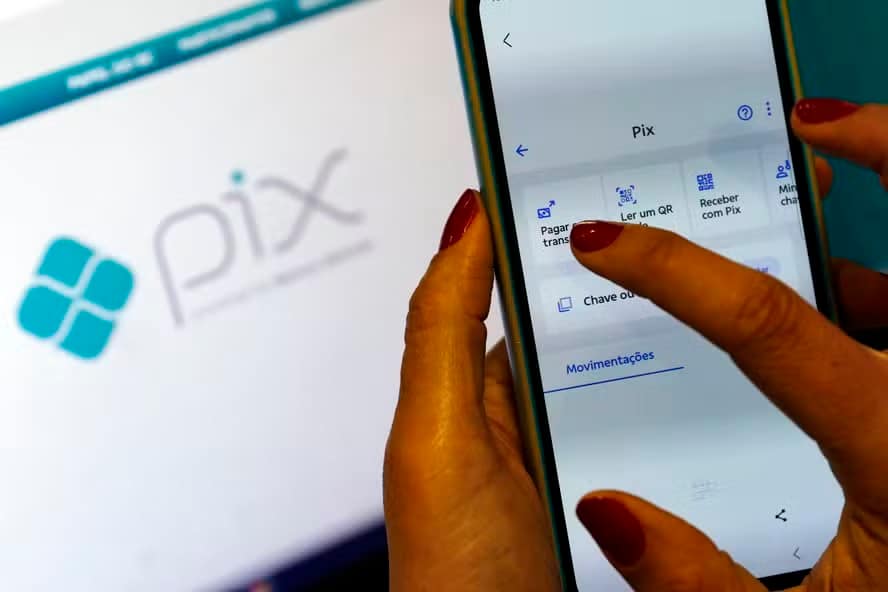
U.S. President Donald Trump’s new tariff offensive, which cites alleged unfair practices involving Pix, reinforces the need to enshrine Brazil’s instant payment system in the Constitution. That is precisely one of the provisions included in the proposed constitutional amendment (PEC) that would grant financial autonomy to the Central Bank.
- U.S. proposes 25% tariffs on Brazilian goods
- U.S. questions Brazil’s support for instant payment Pix
A clean bill presented by Senator Plinio Valério (Brazilian Social Democracy Party, PSDB, of Amazonas) for Constitutional Amendment Proposal 65/2023 states that “the regulation and operation of the Pix retail payment arrangement shall fall exclusively under the authority of the Central Bank,” prohibiting its transfer to the private sector.
The same provision would also establish in the Constitution that Pix must remain free of charge, provide non-discriminatory access, and include safeguards against fraud and money laundering.
Approval of the amendment—which is currently stalled in the Senate’s Economic Affairs Committee because the Lula administration has raised last-minute concerns about a bill it has had ample time to review—would send a direct message to President Trump that Brazil has no intention of giving up Pix.
The proposal would also reinforce the idea that Pix will remain a public platform that does not discriminate between Brazilian and foreign payment companies, thereby weakening claims that it represents an anti-competitive practice.
It is worth noting that speculation periodically resurfaces that Pix could eventually be privatized, potentially undermining its status as a public platform. This highlights another issue addressed by the amendment: the Central Bank’s lack of resources to invest not only in maintaining Pix as a public payment infrastructure but also in connecting Brazil’s payment system to international platforms—creating an alternative to the dominance of the U.S. dollar.
As first reported by Valor, the Central Bank has just been hit with an 18.8% budget cut, double the average reduction imposed on other areas of government.
According to Brazilian officials, the Trump administration’s actions against Pix stem from at least three main factors. One is pressure from payment companies, such as credit card operators, which are losing market share to Brazil’s new technology.
Another is the effort to preserve the U.S. dollar’s status as the world’s reserve currency, as countries around the world develop payment systems inspired by Brazil’s successful experience.
Finally, the U.S. president has shown support for private stablecoins—digital assets designed to maintain a stable value—which he views as a new frontier for payment systems.
The concerns of U.S. payment companies about Pix became evident during Central Bank President Gabriel Galípolo’s meetings at the International Monetary Fund’s spring gathering in Washington in April. He met with representatives from major players including American Express and Mastercard, as well as the international payments network SWIFT.
Pix has created a faster, more convenient, and lower-cost system that processes transactions in real time, taking market share from credit card companies—not only in Brazil but also in other countries that have adopted similar models.
Overlaying these immediate commercial interests is a broader geopolitical concern. After the United States used the dollar-centered payments system as a geopolitical tool through sanctions imposed on Russia, many countries began seeking to reduce their dependence on the U.S. currency. That trend has intensified as Trump has come to be seen as a less reliable trade partner and geopolitical ally.
With instant payment systems such as Pix already dominating domestic markets, the next battleground is cross-border payments, which are still conducted largely in dollars.
Interconnections among national payment systems could make the dollar unnecessary for a significant share of transactions. The Bank for International Settlements (BIS) is leading an initiative known as Project Nexus to integrate payment systems. Countries are also pursuing bilateral connections between their own payment networks.
As part of its strategy to preserve U.S. financial influence, the Trump administration is betting on stablecoins backed by U.S. Treasury securities and dollars.
That is a risky bet. Private stablecoins are more vulnerable to financial crises and money laundering because they lack key characteristics of reserve currencies issued by central banks—such as elasticity, or the ability to create money and inject liquidity during banking crises—and operate on the fringes of the regulatory frameworks that safeguard financial integrity and combat criminal activity.
The broader context behind the spread of payment systems such as Pix also includes growing investor concerns about the stability of the dollar, amid Trump’s attacks on the Federal Reserve, the U.S. central bank.
The lesson for other countries is that, if they want payment systems such as Pix to continue expanding, they must ensure the foundations needed to maintain public and investor confidence in their currencies.
That means preserving the Central Bank’s ability to keep inflation under control and maintain financial stability, while also strengthening confidence in the instant payment platform through anti-fraud measures and investments in new features.
The financial autonomy amendment addresses both challenges: it would ensure that the Central Bank is genuinely independent from political pressures while pursuing the objectives set by the government, and it would provide the resources needed to fulfill its mission.
This article was translated from Valor Econômico using an artificial intelligence tool under the supervision of the Valor International editorial team to ensure accuracy, clarity, and adherence to our editorial standards. Read our Editorial Principles.
Former lawmakers and governors say polarization, social media and changing incentives are driving a migration toward business
Scott Kirby says United and American Airlines investments in Azul are aimed at strengthening competition against the Delta-Latam partnership
Rising fuel prices underscore how geopolitical shocks disproportionately affect poorer communities, experts say
Share purchases increased valuations, supported financing deals, became part of broader transactions web now under scrutiny
Terrorist designation of major criminal groups pushes security to the forefront of the contest between Lula and Flávio Bolsonaro
State-owned oil company met April and May demand with its own output after war pushed up international fuel prices
Agreement in R$65bn debt plan gives creditors control of Brazilian sugar, ethanol and fuel company
Kapitalo’s fund managers Bruno Cordeiro and Tomer Chor have taken positions in short-term Brazilian interest rates after the recent market selloff
Owned by Coca-Cola since 2007, Brazil’s leading tea brand aims to double EBITDA by 2030
Redemptions hit infrastructure funds in April, while advisers field more questions after Raízen and GPA restructuring cases