
President Trump says US-Iran deal is 'now complete'. Here's what still needs to be worked out – WPTZ
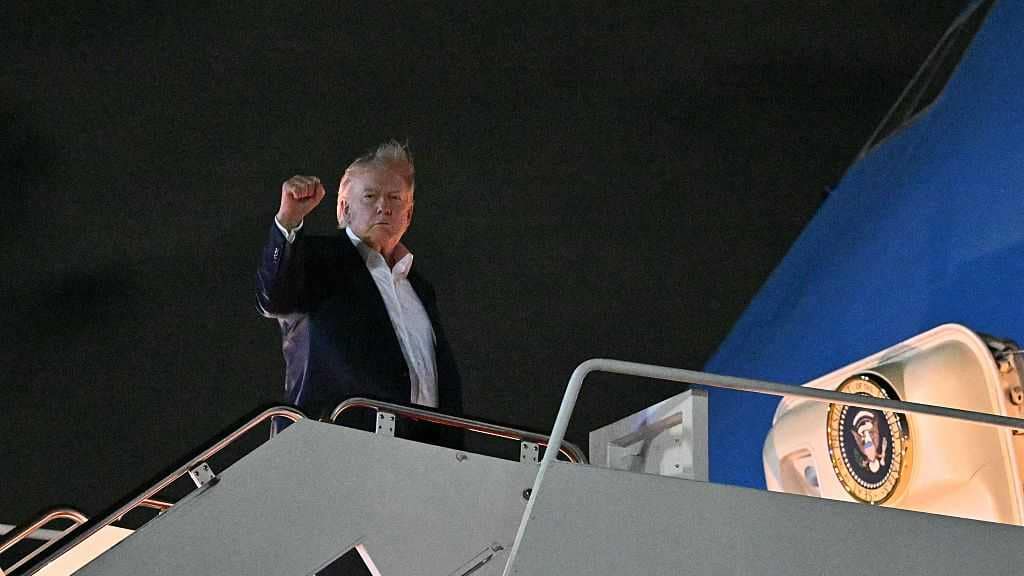
President Donald Trump announced a new agreement with Iran to reopen the Strait of Hormuz and address Iran’s nuclear program. Pakistani officials added that the deal would cease military operations on all fronts.
President Donald Trump announced a new agreement with Iran to reopen the Strait of Hormuz and address Iran’s nuclear program. Pakistani officials added that the deal would cease military operations on all fronts.
President Donald Trump announced a new agreement with Iran to reopen the Strait of Hormuz and address Iran’s nuclear program. Pakistani officials added that the deal would cease military operations on all fronts.
President Donald Trump announced a deal with Iran on Sunday night that would continue the two-month ceasefire already underway and reopen the Strait of Hormuz. The deal is expected to go into effect on Friday.
Pakistani officials, who helped facilitate negotiations, said the deal would not take effect until the U.S. and Iran formally sign it in Switzerland. Officials added both sides had agreed to an immediate and permanent end to military operations on all fronts.
The agreement sets into motion a 60-day timeline for both nations to determine the fate of Iran’s enriched uranium stockpile and its nuclear program, which Trump has insisted cannot lead to the development of a nuclear bomb.
Trump shared on social media that the deal allows for the “toll-free” reopening of the Strait of Hormuz, essentially restoring it to its pre-war condition. Trump initially said the Strait would reopen immediately, but about an hour later clarified it would happen on Friday.
He also ordered an end to the U.S. naval blockade in the Strait, saying the deal will allow oil to flow freely into the global market, though energy experts say it could take months before gas prices go down. According to AAA, the average price of a gallon of regular gas is $1.09 higher than when the president launched the war alongside Israel.
Global markets surged following the announcement, with early gains seen on Wall Street on Monday morning. Foreign oil price benchmarks also dropped by more than $4 per barrel. They remain significantly elevated compared to when the war started.
Mediators plan to facilitate additional meetings ahead of Friday’s planned signing and said that if both sides fail to reach a resolution within the 60-day period, the timeline could be extended.
Lawmakers expressed caution about the deal, including members of the president’s own party. Sen. Lindsey Graham, R-South Carolina, a prominent advocate for U.S. military strikes on Iran, said he’s concerned that both sides have “different” views of the agreement.
Meanwhile, Rep. Gregory Meeks, D-New York, the top Democrat on the House Foreign Affairs Committee, said the “war cannot change the Iranian regime.”
Both Meeks and Graham emphasized that Congress will have the final say over any treaty.
Trump will sell the deal to allies in person, starting Monday. He’s traveling to a meeting of the world’s seven largest economies, or G7, in France.
Trump has previously frustrated allies by not consulting them before going to war with Iran and publicly feuding with some for not joining the U.S. and Israeli efforts.
The situation remains delicate. Israeli Defense Minister Israel Katz stated that they will not withdraw their military from Lebanon, Gaza, or Syria and will respond to any Iranian bombings with “great force.”
Iran has insisted throughout negotiations that any deal must end the conflict with the U.S. and Israel’s war with Iranian-backed militants in Lebanon.
Watch the latest coverage on the war in Iran:
Hearst Television participates in various affiliate marketing programs, which means we may get paid commissions on editorially chosen products purchased through our links to retailer sites.